
Few actors in modern Hollywood have managed to build a career as steadily and convincingly as David Harbour. Over the years, Harbour has transformed himself from a respected character actor into one of the entertainment industry’s most recognizable faces. His journey is particularly fascinating because it did not follow the traditional overnight-success formula. Instead, it was built through years of persistence, small but meaningful performances, and a dedication to authentic acting.
What makes David Harbour stand out is his ability to move seamlessly between genres. One moment he can deliver emotionally intense drama, and the next he can dominate the screen in an action-packed blockbuster or a dark comedy. Audiences appreciate him because he brings depth and realism to every role. Even when he portrays larger-than-life characters, there is always a sense of humanity behind the performance.
In recent years, Harbour’s popularity has skyrocketed thanks to streaming television and blockbuster franchises. Yet despite his fame, he still carries the grounded presence of a hardworking actor who understands the craft deeply. His career story is not only entertaining but also inspiring for aspiring performers who believe success takes patience and resilience.
Early Life and Background of David Harbour
David Harbour was born on April 10, 1975, in White Plains, New York. From a young age, he displayed an interest in storytelling and performance. Growing up in a supportive environment allowed him to explore creative interests without hesitation. While many actors discover their passion later in life, Harbour seemed naturally drawn toward acting and performance during his formative years.
He attended Dartmouth College, where he further refined his interest in theater and dramatic arts. College proved to be an important period for Harbour because it gave him the opportunity to understand acting beyond entertainment. He began appreciating the emotional complexity and psychological depth required to portray believable characters on screen and stage.
Like many aspiring actors, Harbour did not immediately become a household name after graduation. He spent years working in theater productions, television guest appearances, and smaller film roles. These experiences shaped him into a disciplined performer. Rather than chasing fame, he focused on mastering his craft, and that commitment eventually paid off in a major way.
David Harbour’s Struggle Before Fame
:max_bytes(150000):strip_icc():focal(978x206:980x208)/david-harbour-lily-allen-split-tout-020425-93c3ed472bf045bcbc4bd2040ba45b81.jpg)
One of the most compelling aspects of David Harbour’s story is the long road he traveled before achieving mainstream recognition. Unlike actors who become stars in their early twenties, Harbour worked steadily for years without major public attention. He often appeared in supporting roles that showcased his talent but did not necessarily make him famous.
During the early 2000s, Harbour appeared in several television series and films, including guest roles in crime dramas and political thrillers. While audiences may not have remembered his name immediately, casting directors certainly noticed his ability to elevate scenes with authenticity and emotional weight. His performances consistently carried a quiet intensity that made him memorable.
The entertainment industry can be unforgiving, especially for actors who do not fit the typical leading-man image. Harbour himself has spoken openly about rejection and uncertainty throughout his career. However, those struggles ultimately helped shape the grounded and emotionally layered performer audiences admire today. His success serves as proof that perseverance matters more than instant recognition.
Stranger Things and the Rise of Jim Hopper
Everything changed for David Harbour when he was cast as Chief Jim Hopper in the hit Netflix series Stranger Things. The show became a global phenomenon almost immediately after its release, and Harbour’s portrayal of Hopper quickly became one of its strongest elements.
Hopper was not written as a traditional hero. He was flawed, emotionally damaged, stubborn, and often reckless. Yet Harbour managed to make the character deeply sympathetic. His performance balanced toughness with vulnerability, allowing viewers to connect emotionally with Hopper’s personal struggles and protective instincts.
One reason the role resonated so strongly with audiences was Harbour’s authenticity. He portrayed Hopper not as a perfect savior, but as a deeply human figure trying to overcome trauma while protecting the people he cared about. His chemistry with younger cast members, particularly Millie Bobby Brown, became one of the emotional foundations of the series.
The success of Stranger Things elevated Harbour into international stardom. Suddenly, audiences around the world recognized him not just as a talented supporting actor but as a leading performer capable of carrying major projects.
Expanding Into Big Hollywood Franchises
Following the success of Stranger Things, David Harbour began landing roles in major Hollywood franchises. One of his most notable appearances came in the Marvel film Black Widow, where he played Alexei Shostakov, also known as the Red Guardian.
Harbour brought humor, charisma, and emotional complexity to the character. Instead of portraying Alexei as a generic comic-relief figure, he infused the role with layers of nostalgia, regret, and affection. His comedic timing surprised many viewers and demonstrated another side of his acting range.
He also starred in the reboot of Hellboy. Although the film received mixed reactions from critics, Harbour’s performance was widely considered one of its strongest elements. He approached the role with physical intensity while maintaining the sarcastic humor that fans associate with the character.
These franchise roles proved that Harbour could succeed beyond dramatic television. He demonstrated versatility and screen presence capable of competing in the blockbuster arena while still maintaining the emotional realism that defines his acting style.
David Harbour’s Acting Style and Screen Presence
David Harbour possesses a unique acting style that combines emotional realism with commanding physical presence. Unlike actors who rely heavily on glamour or exaggerated performance, Harbour often leans into subtle expressions and natural dialogue delivery. This makes his characters feel believable even in highly fictional settings.
One of Harbour’s greatest strengths is his ability to portray emotional conflict. Whether he is playing a troubled police chief, a reluctant superhero, or a grieving father figure, he consistently communicates internal struggle through body language and tone rather than excessive dramatics.
Another important aspect of his appeal is relatability. Harbour does not present himself as untouchable or overly polished. Instead, he often embraces flawed, imperfect characters who reflect real human emotions. This authenticity allows audiences to form stronger emotional connections with his performances.
Critics frequently praise Harbour for elevating supporting roles into standout performances. Even when he is not the central focus of a film or series, he brings enough emotional depth to make his character memorable. That ability separates skilled actors from truly exceptional ones.
Personal Life and Public Image
Outside of acting, David Harbour has cultivated a public image that feels refreshingly genuine. Unlike many celebrities who maintain carefully controlled personas, Harbour often appears candid, humorous, and self-aware during interviews and public appearances.
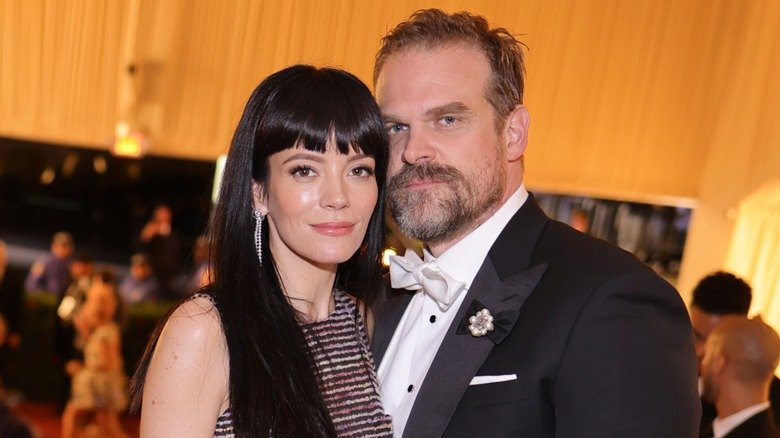
His relationship with singer Lily Allen attracted significant media attention. Fans appreciated the couple’s playful dynamic and openness, which contrasted with the highly manufactured image often associated with celebrity relationships.
Harbour has also spoken publicly about mental health and personal struggles, which has made him relatable to many fans. His willingness to discuss vulnerability openly adds another layer to his appeal. Rather than presenting himself as perfect, he acknowledges challenges and growth honestly.
Social media has further strengthened his connection with audiences. Harbour’s online presence often includes humor, sincerity, and direct engagement with fans. This combination has helped him maintain popularity without appearing overly promotional or artificial.
Why David Harbour Continues to Matter in Hollywood
In an industry constantly chasing trends, David Harbour represents something increasingly rare: an actor whose success is rooted in substance rather than hype. His career demonstrates the value of patience, persistence, and genuine talent.
Harbour’s rise also reflects changing audience preferences. Modern viewers increasingly appreciate actors who bring emotional realism and complexity to their performances. Harbour excels in this area because he understands how to make characters feel authentic regardless of genre.
Another reason he remains relevant is his versatility. He can thrive in streaming television, independent dramas, action blockbusters, and dark comedies without losing his identity as a performer. Few actors manage to navigate such different spaces successfully.
As Hollywood continues evolving, Harbour appears positioned for long-term success rather than temporary popularity. His performances consistently leave lasting impressions, and audiences trust him to deliver emotional depth even in commercial entertainment.
Final Thoughts on David Harbour’s Career
David Harbour has built one of the most fascinating careers in modern entertainment. His journey from struggling actor to international star is inspiring because it feels authentic and earned. Instead of relying on quick fame, he spent years refining his craft and developing the emotional intelligence that now defines his performances.
From his unforgettable role in Stranger Things to his growing presence in blockbuster cinema, Harbour continues to prove that strong acting can still stand out in an industry often dominated by spectacle. Audiences connect with him because he feels real, approachable, and emotionally honest.